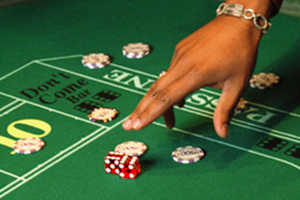
Walk up to a busy craps table for the first time, and it’s chaos will seem like a symphony of noise and motion. Chips are flying. People are yelling, and the dice bounce and tumble. It seems like pure, unorganized madness… But look closer. If you stay a while, you’ll start to see it. There is a structure here. A delicate, unspoken social hierarchy governs this felt-covered arena.
It’s a world with its own kings, its supporting cast, and its strict code of conduct. Understanding this social landscape is just as important as knowing the difference between a Pass Line and a Don’t Pass bet. It’s the key to not just playing, but belonging.
Let’s pull back the curtain on this fascinating world and meet the characters who make the game what it is, from the celebrated front-line commanders to the quiet, calculating back-bet barons who get the 200 casino bonuses!
Contents
The Front-Line Commanders
The area closest to the dealer stack is the front line, the high-energy zone, and the epicenter of the game’s emotion. The people standing here are parties in the main event.
The Shooter
At the very center of it all is the shooter, who is the person who holds the dice, and for their turn, they are the most important person at the table. All eyes are on them. They are the temporary monarch, the focal point of hope and anticipation. Some shooters embrace this role with gusto. They have their elaborate, superstitious rituals.
They blow on the dice. They tap them a specific number of times. They aim for the back wall with a focused intensity. The table either loves them or fears them. A shooter on a hot streak, creating a long, profitable “roll,” is treated like a hero. The crowd cheers their name. Chips pile up. The energy is electric. Conversely, a shooter who “sevens out” quickly, ending the round, might get a few good-natured groans. It’s a position of immense, albeit fleeting, power and pressure.
The Cheerleaders and Superstition Enforcers
Flanking the shooter are the cheerleaders. These players are emotionally invested in every roll. They aren’t just betting; they are believing. You’ll hear them chanting, “Baby needs a new pair of shoes!” or simply yelling, “Come on, seven!” They are the heart of the table’s positive energy.
Then you have the superstition enforcers, who are the serious, often traditional, veterans who believe certain actions can change the dice’s fortune. Say the word “seven” out loud when a point is established, and you’ll likely hear a chorus of “Don’t say that word!” from this group. They believe in the magic, and they enforce the table’s unwritten mystical code with a surprising fervor.
The Mid-Table Strategists: The Calculated Core
Take a step back from the raucous front line, and you find the mid-table strategists. This is often where the more experienced players reside. They can see the whole layout. They can watch the dealers work. They have space to think.
These players are the architects of complex bets. While the front line is focused on the simple Pass Line, the mid-table crew is orchestrating intricate webs of wagers. They are placing “Come” bets, laying odds, and setting up Horn bets and Hardways.
They communicate with the dealers in a kind of shorthand. “Twenty on the six, pressed to forty,” they might say, and the dealer seamlessly moves their chips. They are calm, collected, and analytical. They feed off the energy of the front line but are not ruled by it. They are playing a longer, more strategic game, building their chip empires one carefully calculated decision at a time.
The Back-Bet Barons: The Quiet Architects of Profit
And then, in the very back, often leaning against the rail, you have the most enigmatic figures at the table: the Back-Bet Barons. These players are the polar opposite of the front-line cheerleaders. They are quiet. They are observant. They are often playing the “Dark Side.”
Who Are the Dark Side Players?
“Playing the Dark Side” means you are betting against the shooter. You are wagering that they will lose. You win when the table loses. Because of this, Dark Side players are often viewed with suspicion or mild disdain by the superstitious crowd up front.
They are the contrarians, the party-poopers of the craps world. But are they villains? Not at all. They are simply employing a different, and statistically valid, strategy. They believe the dice will eventually seven out, and they are betting on that inevitability. They are the ultimate pragmatists in a sea of optimists.
The Baron’s Demeanor
The Back-Bet Baron is the master of the long game. They don’t cheer. They don’t groan. They simply watch, and they bet. You’ll see them placing “Don’t Pass” or “Don’t Come” bets. When a shooter is on a hot streak, the Baron stays calm, often increasing their bets, knowing the lucky run must end.
They are the quiet force at the table, often accumulating steady, unspectacular profits while the front-line players ride emotional rollercoasters. They don’t seek the spotlight. They are perfectly content in the background, architects of their own quiet fortune.