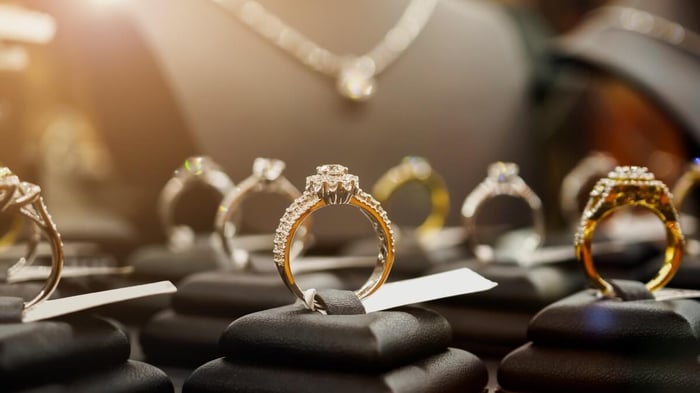
The jewelry industry, once synonymous with centuries-old traditions and unchanging methods, is experiencing its most significant transformation in modern history. Advanced manufacturing technologies, sustainable production methods, and innovative design tools are reshaping every aspect of how precious gems are created, cut, and crafted into the luxury pieces that define contemporary style.
This technological revolution extends far beyond simple automation. Today’s jewelry manufacturers are leveraging cutting-edge science to create products that surpass traditional quality standards while addressing growing consumer demands for transparency, sustainability, and ethical sourcing. The result is an industry that maintains its luxury appeal while embracing the possibilities of the digital age.
Contents
The Science Behind Perfect Gems
Laboratory-grown diamonds represent perhaps the most dramatic example of how technology is revolutionizing jewelry production. These gems, created through sophisticated processes that replicate the extreme conditions found deep within the Earth, offer quality and consistency that often exceed their naturally occurring counterparts.
The two primary production methods—Chemical Vapor Deposition (CVD) and High Pressure High Temperature (HPHT)—demonstrate the precision possible when human ingenuity meets advanced engineering. CVD technology grows diamonds by depositing carbon atoms layer by layer onto a diamond seed, creating stones with exceptional clarity and color. HPHT recreates the intense pressure and heat conditions that form natural diamonds, but in a controlled environment that ensures superior quality control.
These technological advances have eliminated many of the inconsistencies inherent in natural stone mining. Laboratory conditions allow manufacturers to produce diamonds with specific characteristics, ensuring that each gem meets exact specifications for color, clarity, and cut. This precision has opened new possibilities for jewelry designers who can now work with larger, clearer stones without the cost constraints that previously limited creative expression.
The implications extend beyond individual gem quality. When manufacturers can guarantee consistent supply and specifications, they can develop more ambitious designs and collections. This reliability has encouraged jewelry houses to experiment with bold statement pieces and innovative settings that showcase the full potential of modern gem technology.
Transforming Design and Manufacturing
Modern diamond innovations have fundamentally altered how jewelry is conceived, designed, and produced. Computer-aided design (CAD) software now allows jewelers to create intricate 3D models before any physical work begins, reducing waste and enabling precise customization for individual customers.
Advanced cutting technologies have introduced new diamond shapes and faceting patterns that maximize brilliance and fire. Laser cutting ensures mathematical precision in every facet, creating optical properties that enhance the stone’s natural beauty. These techniques, combined with sophisticated polishing methods, produce finished gems with exceptional light performance.
Manufacturing has similarly evolved through the integration of 3D printing, precision casting, and automated finishing processes. These technologies enable small-scale producers to create complex designs that would have required massive industrial infrastructure just a decade ago. The democratization of production tools has fostered innovation among independent designers while maintaining the quality standards expected in luxury jewelry.
Quality control has reached unprecedented levels through digital microscopy, spectral analysis, and automated grading systems. Every aspect of a finished piece can be measured, documented, and verified against exact specifications. This technological oversight ensures that consumers receive products that meet or exceed promised quality standards.
Ethical Transparency Through Technology
Modern consumers increasingly demand transparency in their luxury purchases, particularly regarding environmental impact and ethical sourcing. Technology has enabled the jewelry industry to address these concerns through comprehensive tracking systems and sustainable production methods.
Blockchain technology now allows complete traceability of gems from creation to retail sale. Each stone can carry a digital certificate that documents its origin, production method, and journey through the supply chain. This transparency eliminates concerns about conflict stones and provides consumers with complete confidence in their purchases.
Environmental monitoring systems track the resource consumption and waste output of production facilities, enabling manufacturers to optimize their processes for minimal environmental impact. Laboratory-grown diamonds, for instance, require significantly less water and energy per carat than traditional mining operations while producing virtually no waste.
The labrilliante approach exemplifies how modern jewelry brands can leverage these technological advantages to create products that meet contemporary ethical standards without compromising on quality or aesthetics. By maintaining complete transparency about production methods and maintaining rigorous quality control, such brands demonstrate that luxury and responsibility can coexist successfully.
Economic Accessibility and Market Evolution
Technology has made high-quality jewelry more accessible to a broader market without diluting its luxury appeal. Laboratory-grown diamonds typically cost 30-40% less than comparable natural stones, allowing consumers to purchase larger or higher-quality gems within their budget constraints.
This accessibility has expanded the jewelry market beyond traditional luxury consumers to include younger demographics who prioritize value, ethics, and unique design over conventional status symbols. The result is a more diverse and dynamic marketplace that encourages innovation and creative expression.
Customization has become increasingly popular as technology enables cost-effective personalization. Computer modeling allows customers to visualize custom designs before production, while flexible manufacturing processes can accommodate individual specifications without significant cost premiums.
The direct-to-consumer model, enabled by digital marketing and e-commerce platforms, has allowed innovative jewelry brands to reach customers without traditional retail markups. This approach provides better value for consumers while enabling manufacturers to maintain higher quality standards and more ethical production practices.
The Future of Luxury Jewelry
As technology continues advancing, the jewelry industry is positioning itself for continued transformation. Artificial intelligence is beginning to assist in design optimization, predicting consumer preferences, and streamlining production processes. Virtual and augmented reality technologies are enhancing the shopping experience by allowing customers to visualize jewelry pieces in realistic settings before purchase.
Sustainability will likely drive further innovation as manufacturers seek to minimize environmental impact while maintaining quality and aesthetic appeal. New materials, improved production efficiency, and closed-loop manufacturing processes will further reduce the industry’s environmental footprint.
The integration of smart technology into jewelry pieces themselves represents another frontier, with possibilities ranging from health monitoring to digital connectivity. These developments suggest that the jewelry industry will continue evolving beyond traditional ornamental purposes while maintaining its fundamental role in personal expression and celebration.
Embracing Change While Honoring Tradition
The technological revolution in jewelry production demonstrates how traditional industries can embrace innovation while preserving their essential character. Modern manufacturing methods have enhanced rather than replaced the craftsmanship that defines luxury jewelry, providing tools that enable greater precision, creativity, and consistency.
Today’s jewelry consumers benefit from this evolution through access to higher-quality products, greater design variety, more ethical sourcing options, and improved value propositions. The industry’s embrace of technology has created a marketplace where luxury, responsibility, and accessibility can coexist, serving both traditional consumers and new demographics seeking meaningful luxury experiences.
As these trends continue developing, the jewelry industry stands as an example of how technological innovation can revitalize traditional markets while addressing contemporary concerns about sustainability, ethics, and value. The future promises even greater integration of advanced technologies with timeless craftsmanship, creating possibilities that will continue surprising and delighting consumers for generations to come.