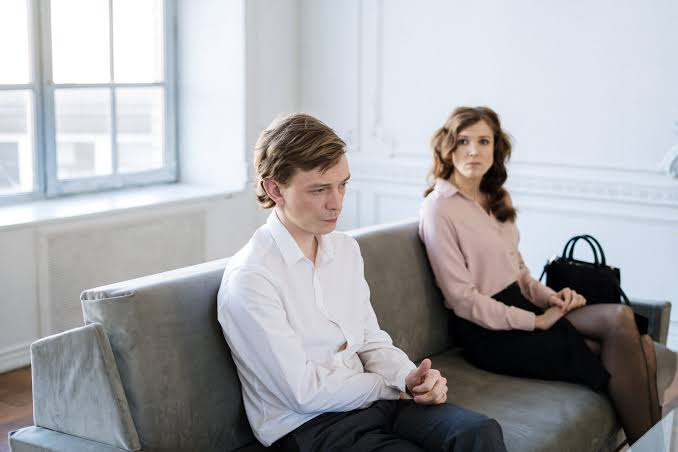
Most long-term relationships experience difficult periods. Work, finances, children, family responsibilities and major life changes can all place pressure on a couple. Problems can arise when temporary difficulties develop into repeated patterns that neither partner knows how to change.
One common pattern is having the same argument again and again. The immediate subject may be money, household responsibilities, parenting or how much time a couple spends together, but underneath the disagreement there may be deeper concerns about appreciation, trust or feeling supported.
Over time, both people can become highly familiar with how these arguments unfold. One person says something, the other becomes defensive, voices are raised and eventually the conversation ends without anything being resolved. The next disagreement then begins with the frustration left over from the previous one.
Other couples experience the opposite problem. Instead of arguing frequently, they stop discussing difficult subjects. Conversations become increasingly practical, focusing on work, children and household arrangements while emotional concerns remain unspoken.
Relationship counselling provides a setting where these patterns can be explored with a professional who is not personally involved in the disagreement. The aim is not to identify which partner is right. In many relationship conflicts, both people are experiencing the same conversation in completely different ways.
Slowing discussions down can help couples understand what is happening. A statement that one person intended as a request for reassurance might be interpreted by the other as criticism. A defensive response may then be interpreted as evidence that their feelings do not matter. Understanding this cycle can create an opportunity to communicate differently.
Relationship counselling can also address issues involving trust, intimacy, parenting, family boundaries and significant changes within the relationship. Some couples seek help following a specific event, while others simply recognise that they have gradually become less connected.
Seeking support does not automatically mean that a relationship is approaching its end. Couples may use counselling because they want to strengthen their relationship and prevent current difficulties becoming more serious.
It is also possible for individuals to explore relationship concerns through counselling even when their partner does not wish to attend. Understanding personal communication patterns, expectations and boundaries can still be valuable.
Couples considering relationship counselling in Nottingham can access professional support through My Solution Wellbeing. Counselling can provide space to discuss difficult subjects more constructively, recognise patterns that may be maintaining conflict and consider what both partners need in order for the relationship to move in a healthier direction.